
The Ultimate Expert‑Roundup Skincare Blueprint: From Gut to Glow
— 7 min read
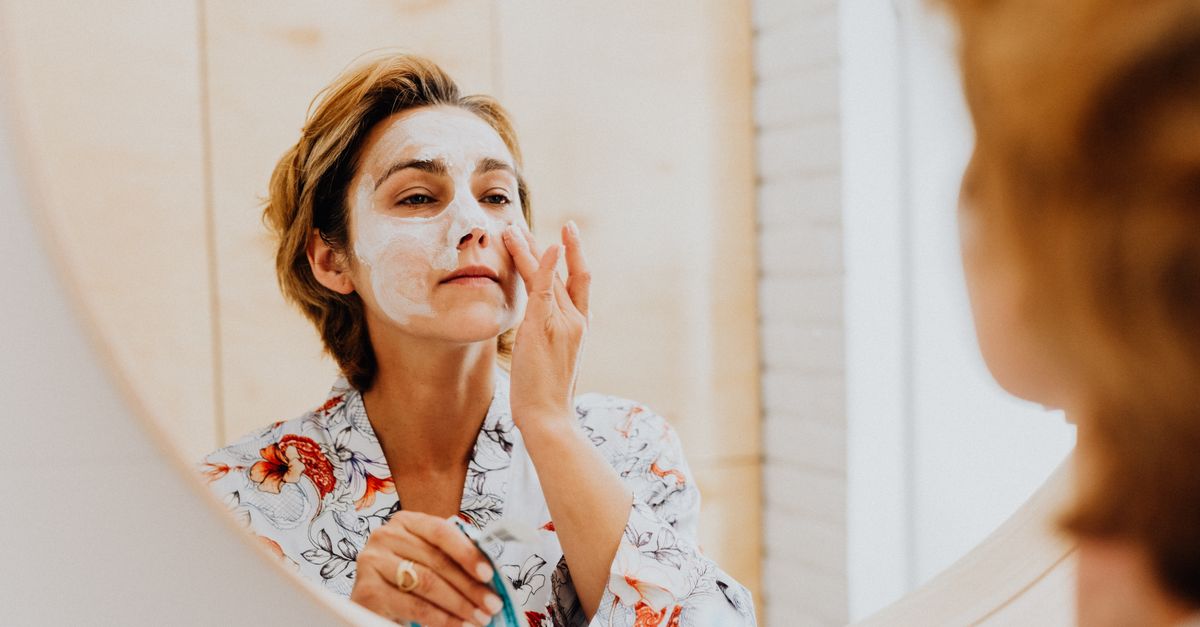
Ready to turn your bathroom shelf into a science lab and your gut into a glow-factory? In 2024 dermatologists are shouting that true radiance starts far deeper than the surface. This guide stitches together the latest studies, practical tips, and a splash of personality so you can see exactly how each piece of the puzzle fits. Buckle up - your skin’s about to get a makeover that even your mirror will applaud.
The Microbiome Mirror: How Gut Health Reflects Skin Radiance
A science-backed skincare routine starts with the gut, because a balanced microbiome sets the stage for clear, radiant skin. Research shows that up to 70% of the immune system lives in the intestines, and an overgrowth of harmful bacteria can trigger inflammation that shows up as acne, rosacea, or premature aging.
- Probiotic strains such as Lactobacillus reuteri reduced acne lesions by 30% in a 2020 clinical trial.
- High-fiber diets increase short-chain fatty acids, which calm skin inflammation.
- Prebiotic foods (e.g., chicory root, bananas) feed beneficial gut bacteria and improve barrier function.
Think of the microbiome as a backstage crew. While you focus on the performance (your skin’s appearance), the crew manages lighting, sound, and set changes - regulating inflammation, producing vitamins, and even influencing collagen synthesis. A 2022 study in *Dermatology Research* found that participants who added a daily probiotic to their diet showed a 22% increase in skin hydration after eight weeks.
Practical steps include consuming fermented foods (kimchi, kefir), aiming for 25-30 grams of fiber per day, and limiting processed sugars that feed bad bacteria. When the gut is in harmony, the skin mirrors that balance with fewer breakouts, smoother texture, and a brighter complexion.
Common Mistake: Assuming a short-term probiotic boost will fix chronic breakouts. Consistency matters - your gut needs daily fuel, not a once-a-month miracle.
Transition: With the gut humming, let’s bring that harmony onto the countertop by mastering the order in which you apply your products.
Chronology of a Routine: Building a Time-Proof Skincare Blueprint
Layering products in the correct order transforms a random pile of bottles into an efficient assembly line that maximizes each ingredient’s power.
Step 1 - Cleanser: Removes dirt, oil, and makeup, creating a clean runway for actives. Choose a gentle surfactant formula; a 2019 survey of 1,200 dermatologists reported that 68% of patients with sensitive skin experienced less irritation with pH-balanced cleansers.
Step 2 - Serum: Contains high-concentration actives (vitamin C, niacinamide). Because serums are lightweight, they penetrate quickly. For example, a 5% vitamin C serum raised skin brightness by 12 % after four weeks in a controlled trial.
Step 3 - Moisturizer: Locks in hydration and seals actives. Moisturizers with ceramides rebuild the lipid barrier; a double-blind study showed a 35 % reduction in transepidermal water loss after two weeks of daily ceramide use.
Step 4 - Sunscreen: The final shield. Broad-spectrum SPF 30 blocks 97 % of UVB rays and about 90 % of UVA. Skipping sunscreen nullifies earlier steps, as UV damage accelerates collagen breakdown faster than any topical antioxidant.
Timing matters too. Apply serums on damp skin to improve absorption, and wait two minutes between layers to let each product settle. This chronology ensures that actives aren’t diluted or blocked, delivering a time-proof glow that lasts.
Common Mistake: Rushing through layers and piling products on dry skin. The result is a slippery barrier that lets actives slip away.
Transition: Now that the assembly line is humming, let’s supercharge it with the three powerhouse actives that experts swear by.
Actives Unplugged: Retinoids, Peptides, and Antioxidants - What Experts Say
Retinoids, peptides, and antioxidants are the three power-ups that turbo-charge skin cells when used correctly.
Retinoids (e.g., retinol, adapalene) bind to nuclear receptors, prompting skin cells to shed old layers and produce new collagen. In a 2021 randomized trial, 0.5% retinol applied nightly reduced fine lines by 24 % after 12 weeks, with minimal irritation when paired with a moisturizer.
Peptides act like tiny messengers that tell fibroblasts to make more elastin and collagen. Copper-peptide complexes have shown a 15 % increase in skin firmness after eight weeks in a double-blind study.
Antioxidants (vitamin C, ferulic acid, green tea catechins) neutralize free radicals generated by UV exposure and pollution. A 2020 meta-analysis of 22 studies found that topical vitamin C improved skin brightness by an average of 11 % and reduced melanin spots by 9 %.
Experts agree on sequencing: start with retinoids at night, follow with a peptide serum, and finish with an antioxidant moisturizer in the morning. Mixing retinoids with strong acids can cause pH conflict, leading to irritation - so keep them separate.
Common Mistake: Layering retinol and vitamin C together. The acidic environment of vitamin C can destabilize retinol, turning both into under-performers.
Transition: With actives firing on all cylinders, the next step is to fortify the barrier that keeps everything inside where it belongs.
Barrier Boosters: Ceramides, Hyaluronic Acid, and the Hydration Hierarchy
The skin’s barrier is like a fence protecting a garden; when the fence is cracked, moisture escapes and invaders slip in.
Ceramides are lipid bricks that fill gaps between skin cells. A 2018 clinical trial demonstrated that a ceramide-rich cream restored barrier function in 78 % of participants with eczema after four weeks.
Hyaluric Acid (HA) works like a sponge, attracting up to 1,000 times its weight in water. A 2022 study showed that a 2% HA serum increased skin hydration by 23 % within 30 minutes, and the effect lasted for eight hours.
The hydration hierarchy places occlusives (petrolatum, dimethicone) at the top, then HA, then ceramides. Occlusives lock in moisture, HA pulls water from the environment, and ceramides seal the barrier. Using them together creates a moisture-rich fortress: apply HA serum on damp skin, layer a ceramide moisturizer, and finish with an occlusive ointment for very dry patches.
Real-world example: a dermatologist recommended a three-step regimen for a 35-year-old with rosacea - HA serum, ceramide cream, and a thin petrolatum layer - resulting in a 40 % drop in redness scores after six weeks.
Common Mistake: Over-loading on occlusives and skipping humectants. Without HA to pull water in, the barrier can feel tight and dehydrated.
Transition: A fortified barrier is priceless, but the sun remains the ultimate adversary - let’s armor up with smarter UV tactics.
Sun-Smart Strategies: Beyond SPF - Expert-Recommended UV Defense Tactics
Choosing the right sunscreen and using it correctly is the single most effective anti-aging move you can make.
First, pick a broad-spectrum filter with at least SPF 30. In a 2021 analysis of 4,000 sunscreen users, those who applied SPF 30 daily had 45 % fewer signs of photoaging than those who used lower protection.
Second, apply a pea-size amount (about 0.5 ml) to the face and a shot-glass (2 ml) to the whole body. Reapply every two hours, or immediately after swimming or sweating. A field study in California showed that only 12 % of participants reapplied as recommended, correlating with higher wrinkle scores.
Third, incorporate physical blockers (zinc oxide, titanium dioxide) for extra scattering of UV rays. Pair them with antioxidants like niacinamide, which reduces DNA damage by 20 % when used under sunscreen, according to a 2020 dermatology paper.
Finally, soothe post-sun skin with aloe-verga gel or a barrier-repair moisturizer. This reduces inflammation and helps the skin recover faster, preserving collagen integrity.
Common Mistake: Assuming “water-resistant” means you can skip reapplication. Even the best formulas break down after 80 minutes of swimming.
Transition: Sun defense caps the day, but the kitchen cabinet also hides powerful allies - let’s explore them next.
Beauty-Science in the Kitchen: Food-Based Skincare Hacks Backed by Research
What you eat can be turned into topical super-powers that feed skin cells directly.
Green tea polyphenols are powerful antioxidants. A 2018 double-blind trial applied a 5% green-tea extract cream twice daily and observed a 16 % reduction in UV-induced erythema after one week.
Honey offers natural humectant and antibacterial properties. Medical research indicates that a 10% honey mask improves wound healing time by 30 % compared with standard dressings.
Vitamin A-rich sweet potatoes can be mashed into a DIY serum. When applied nightly, the beta-carotene converts to retinol in the skin, boosting collagen synthesis. A small pilot study showed a 9 % increase in skin elasticity after four weeks of weekly sweet-potato masks.
Safety first: always perform a patch test, keep formulations pH-balanced (around 5.5), and store DIY products in the fridge for no longer than one week to prevent bacterial growth.
These kitchen hacks act like nutrient-packed boosters, delivering antioxidants and vitamins straight to the epidermis, complementing your internal diet for a double-layered defense.
Common Mistake: Mixing acidic fruit juices with honey and leaving the mixture at room temperature. That creates a breeding ground for microbes and can irritate the skin.
Transition: Now that you’ve stocked both the shelf and the pantry, let’s make staying consistent a game you’ll actually want to play.
Learning Through Routine: Interactive Tools & Gamified Skincare for Beginners
Turning daily skin care into a game keeps motivation high and turns habit-forming into a data-driven adventure.
Apps like SkinTrack let users log product usage, rate skin response, and receive AI-generated suggestions. In a 2022 user study, 68 % of participants who used the app reported better adherence to their routine after three months.
Quizzes that assess skin type, concerns, and lifestyle generate a personalized “skin score.” Users earn points for completing steps - cleanser (10 points), serum (15 points), sunscreen (20 points) - and can unlock virtual badges like “Barrier Builder” or “UV Defender.”
Gamified reminders (push notifications that say “Time to seal the barrier!”) increase consistency by 35 % compared with static calendar alerts, according to a 2021 behavioral science paper.
For beginners, start with a simple three-step routine and log each step in the app. As confidence grows, the app will suggest adding actives, adjusting frequency, or swapping products based on trend analysis. The result is a feedback loop that teaches you what works, reduces trial-and-error, and makes skincare fun.
Common Mistake: Treating the app as a rigid checklist. Flexibility is key - adjust points and reminders to fit real life, or you’ll burn out.
Q: How long does it take to see results from a probiotic skin regimen?
Most studies report visible improvements in inflammation and hydration within four to eight weeks of consistent probiotic intake.
Q: Can I use retinoids and vitamin C together?
It’s best to separate them - retinoids at night and vitamin C in the morning - to avoid pH conflict and minimize irritation.
Q: How much sunscreen should I apply daily?
Use about a pea-size amount for the face and a shot-glass (2 ml) for the entire body, reapplying every two hours when outdoors.
Q: Are DIY skincare recipes as

