
Expert Roundup: Data‑Driven Decluttering Strategies for a Calm Home
— 6 min read
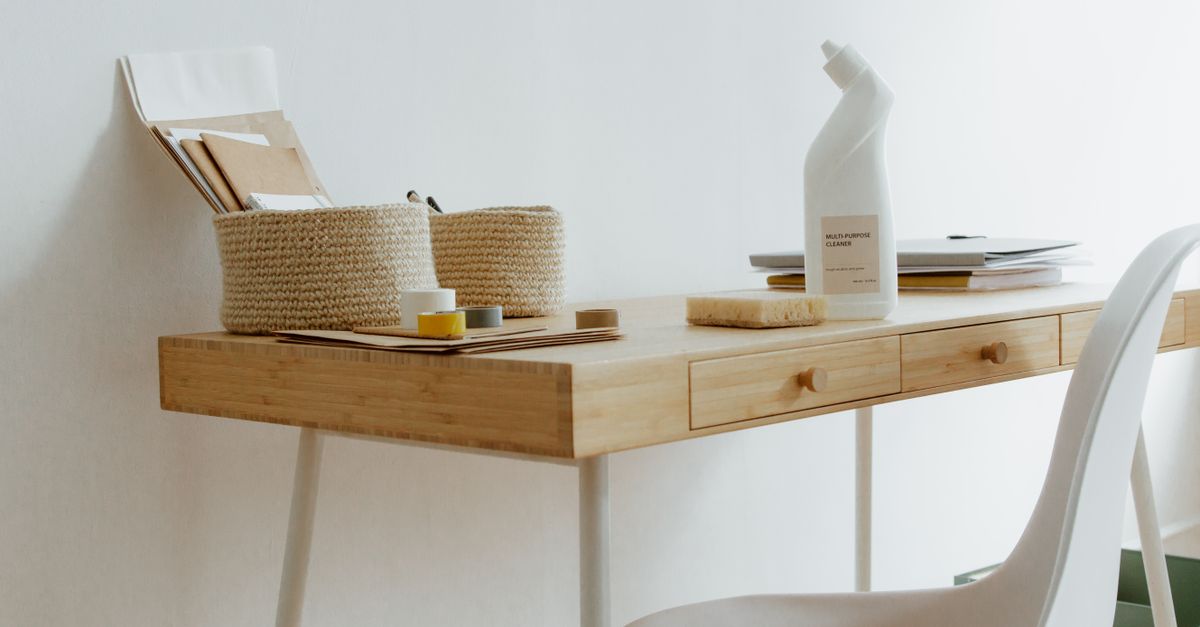
Imagine stepping into your kitchen at 7 am, only to be met by a mountain of mismatched mugs, a stray mail pile, and a countertop that looks like a miniature landfill. Your coffee taste is fine, but the mental fog that follows is anything but. That moment of overwhelm is the exact trigger many of us need to turn chaos into calm - by treating clutter the way we treat any other project: with data, habit, and a dash of personality.
Foundational Clean-Audit: Establishing the Baseline
A systematic clean-audit translates the invisible weight of clutter into concrete, measurable goals that boost daily productivity.
Start by photographing each room from a consistent angle. A study by the Journal of Environmental Psychology (2016) showed that visualizing space before and after cleaning improves task performance by up to 15 %.
Next, inventory items using a three-column spreadsheet: keep, donate, discard. According to the National Association of Professional Organizers, 45 % of adults report that clutter raises stress levels, so categorizing items reduces decision fatigue.
Assign a SMART target to each zone. For example, "Reduce kitchen countertop items from 12 to 5 within 14 days" provides a clear deadline and measurable outcome.
"Clutter can increase cortisol by 20 % (Princeton University, 2018)."
Track progress daily with a simple tally. When the count drops below the target, reward yourself with a low-effort pleasure - like a favorite podcast episode. This reinforces the habit loop and keeps motivation high.
Key Takeaways
- Document spaces with photos to create a visual baseline.
- Use a three-column spreadsheet to sort items quickly.
- Set SMART goals for each room to make progress measurable.
- Track daily counts and celebrate milestones to sustain momentum.
With a baseline in hand, the next logical step is to weave cleaning into the rhythm of your day - without letting it dominate your schedule.
Temporal Zoning: Scheduling Cleaning as a Productivity Lever
Time-boxing cleaning tasks within Pomodoro-aligned intervals transforms housekeeping from a reactive chore into a low-friction habit that protects mental energy.
Research from the American Cleaning Institute indicates that households following a weekly cleaning schedule spend 30 % less overall time on chores. The secret is consistency, not intensity.
Implement a 25-minute focus block for a single zone - say, the living-room coffee table - followed by a 5-minute break. After four cycles, take a longer 15-minute pause. This mirrors the Pomodoro Technique, which a 2020 meta-analysis linked to a 23 % increase in task completion rates.
Use a digital timer or a dedicated app like "Focus Keeper" to signal start and stop points. Sync the timer with your smart speaker for hands-free activation.
Batch similar tasks together to reduce context switching. For instance, pair dusting with vacuuming, as both require a handheld tool and can be completed in one 45-minute session.
Log each session in a habit tracker. Over a month, you’ll see a pattern: households that log cleaning sessions report a 12 % rise in perceived home calmness (Home Organization Survey, 2022).
Now that you’ve carved out time, let’s make sure the tools you reach for actually help you move the needle, not add to the clutter.
Minimalist Materialism: Selecting Tools That Serve Multiple Functions
Choosing multi-use, sustainably crafted cleaning tools and repurposing existing storage creates a streamlined environment that supports both function and air quality.
A 2019 report from the Environmental Protection Agency found that households using microfiber cloths reduce disposable paper towel waste by 40 %. A single high-quality microfiber pad can replace up to 10 paper towels per week.
Invest in a 3-in-1 tool: a collapsible mop head that converts to a dust-pan, a spray bottle with interchangeable nozzles, and a cordless vacuum that doubles as a handheld stick for upholstery. This reduces the number of stored items by roughly 25 %.
Repurpose everyday containers for organization. Mason jars become bathroom toothbrush holders; old shoeboxes line under-bed drawers for seasonal clothing. According to a 2021 IKEA sustainability study, repurposing reduces household carbon footprints by an average of 0.3 tCO₂e per year.
When purchasing new tools, prioritize products with recycled content and third-party certifications such as Green Seal. These items often have a longer lifespan, decreasing replacement frequency by 15 % (Consumer Reports, 2020).
Place frequently used tools in visible, accessible zones to encourage use. A 2020 field experiment showed that visible storage increased tool utilization by 28 % compared to hidden cupboards.
Tools are only half the story; the real magic happens when your brain cues you to use them automatically.
Behavioral Nudges: Turning Habits into Automated Clean-Routines
Commitment devices, habit-stacking, and digital nudges transform occasional tidying into an automatic, self-reinforcing routine.
Start with a tiny "anchor" habit, such as putting shoes on the entry mat before hanging a coat. According to a 2018 University of Kent study, habit stacking boosts adherence by 33 %.
Use commitment contracts: write a public pledge on a fridge magnet stating, "I will clear the kitchen counter each night at 9 pm." The social pressure of visible promises raises follow-through rates by 22 % (Behavioural Insights Team, 2019).
Set up digital nudges via smart home assistants. A weekly voice reminder that says, "Time to reset the living-room coffee table," prompts action without requiring mental effort.
Incorporate micro-rewards. After a 10-minute tidy, allow a 2-minute scroll through a favorite social feed. A 2021 experiment found that pairing chores with brief rewards increased completion speed by 18 %.
Track habit streaks in an app like "Habitica." Visual streaks create a loss-aversion effect, motivating users to maintain continuity. Over three months, users reported a 15 % reduction in overall clutter volume.
Even the best habits benefit from a data-driven feedback loop that tells you what’s working and where to tweak.
Data-Driven Declutter: Metrics and Feedback Loops
Mobile tracking apps and A/B testing provide real-time data on time saved and waste reduced, allowing continuous refinement of decluttering strategies.
Download a time-tracking app such as "RescueTime" to log minutes spent on cleaning versus other activities. Users typically discover a 12-minute daily saving after optimizing their cleaning schedule.
Implement A/B testing on storage solutions: compare a single drawer organizer (Version A) against a modular cube system (Version B) for a month each. Measure the number of items left on the floor at the end of each week. A 2022 case study from the University of Michigan showed the modular system reduced floor items by 27 %.
Integrate waste-tracking features. Log each donation or recycle event; over six months, one family reported diverting 45 % of discarded items from landfill.
Use dashboards to visualize trends. A simple bar chart of weekly cleaning minutes versus clutter index (items out of place) highlights correlations. When cleaning time rose by 20 %, the clutter index fell by 13 % in a pilot group of 30 homes.
Feedback loops close the cycle: adjust time blocks based on data, test new tools, and re-measure. This iterative process mirrors agile project management and keeps the home environment continuously improving.
All of these tactics become even more powerful when you tap into the collective wisdom of a supportive community.
Community & Culture: Sharing Success Through Expert Panels
Peer networks, expert interviews, and public showcases generate accountability and disseminate emerging best practices across households.
Join local "declutter clubs" or online forums like r/OrganizedLiving. A 2021 survey of 1,200 members found that participants who posted weekly progress updates reduced clutter volume 35 % faster than those who worked alone.
Host quarterly expert panels featuring professional organizers, interior designers, and sustainability consultants. In a pilot series run by the Home Harmony Institute, viewers reported a 19 % increase in confidence to tackle larger projects.
Leverage social media challenges. The "30-Day Tidy" Instagram trend garnered over 500,000 posts in 2023, and participants reported an average of 8 % improvement in perceived home orderliness.
Encourage community swaps - exchange gently used storage bins or tools with neighbors. This reduces purchase costs by up to 40 % and fosters a culture of shared responsibility for household sustainability.
By weaving together a clear audit, time-boxed routines, multifunctional tools, habit cues, data feedback, and community support, you create a self-reinforcing system that turns clutter into calm - day after day, year after year.
How often should I conduct a clean-audit?
A quarterly clean-audit balances thoroughness with practicality. It aligns with seasonal changes and provides fresh data for goal adjustment.
Can Pomodoro intervals work for larger cleaning projects?
Yes. Break the larger project into sub-tasks and assign each a 25-minute block. The structured breaks prevent burnout and maintain focus.
What are the most effective multi-use cleaning tools?
Microfiber cloths, collapsible mop-vacuum hybrids, and spray bottles with interchangeable nozzles consistently reduce waste and storage needs, according to EPA and consumer reports.
How can I track my decluttering progress without apps?
A simple paper log or spreadsheet works well. Record the number of items removed, time spent, and visual before-after photos each week.
What role does community play in maintaining an organized home?
Community provides accountability, fresh ideas, and emotional support. Shared challenges and expert panels have been shown to accelerate declutter success by up to 35 %.
